A Fold in the Paper: How a Hiroshima Boy Came Home 81 Years Late
Sometimes history turns on something very small. In the case of a 13-year-old boy who died after the atomic bombing of Hiroshima in August 1945, it was a crease in an envelope.
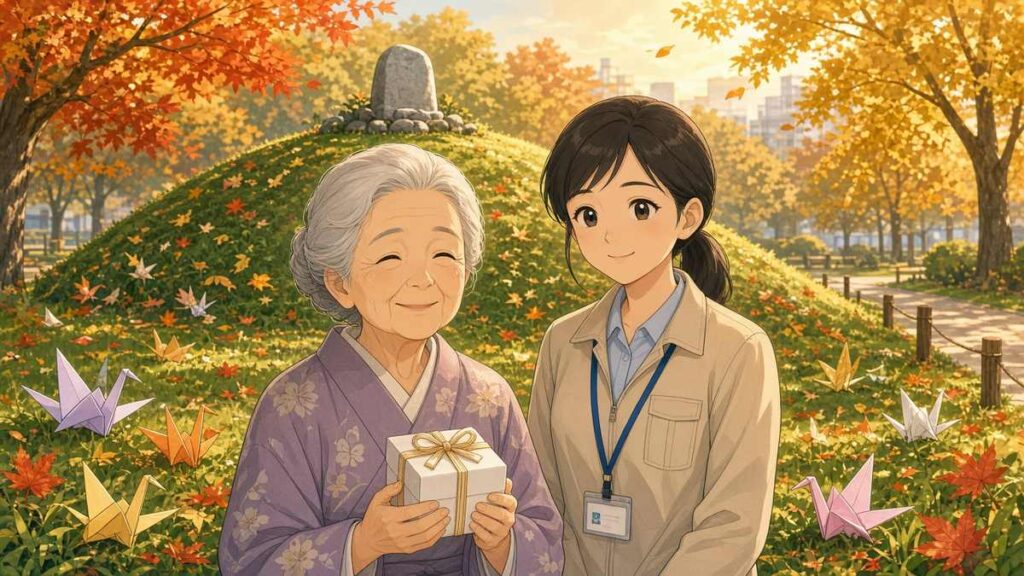
On November 4, the city of Hiroshima handed his remains to his family for the first time. His younger sister, now 91, received the urn in the underground chamber of the Atomic Bomb Memorial Mound in Peace Memorial Park, after a moment of silence outside. She said she felt less joy than overwhelming sadness, and that she kept thinking how happy her late mother would have been if he had been found a little sooner.
A name hidden in a fold
The boy’s name was Toshiaki Wakamoto. For eight decades, the registry of the memorial mound listed him as Toshiaki Ishimoto. The envelope inside his urn carried the correct name, but part of the first character of his family name had disappeared into a fold in the paper. Read that way, Wakamoto looked like Ishimoto, and a clerical slip made generations ago kept a family and their son apart.
According to his sister, he left his dormitory on the morning of August 6, 1945, and never came back. Later that month, their mother found his name on a list of victims posted at city hall. She never found him. Each year when August 6 came round, the sister recalled, her mother would quietly repeat his name.
The first full check in decades
The memorial mound holds the remains of roughly 70,000 people, most of them never identified. For 813 of them, a name is known but no family has come forward. Between February and March this year, the city opened and examined those 813 urns one by one, the first comprehensive check in around 40 years. It found mistakes in the names or ages of 37 people.
When the city published the corrected list, the sister came forward and said the boy might be her brother. Officials compared family registers with the memorial records, listened to her testimony and concluded the two were siblings. His is the first set of remains returned because of a corrected entry.
Hair, DNA and time running out
The inspection turned up something else: locks of hair inside 52 of the urns. That matters because hair can carry DNA. At the end of last year, a victim was identified for the first time through DNA testing of preserved hair. The city has made the names attached to these urns public and is asking for information, but has so far received no inquiries about them.
The obstacle now is time. Siblings of the victims are in their late eighties and nineties. Every year that passes means fewer people who remember a face, a dormitory, a morning in August. This week’s handover shows why the slow, careful work of rechecking old paperwork still matters, 81 years on. Behind every misread character there may be someone still waiting.