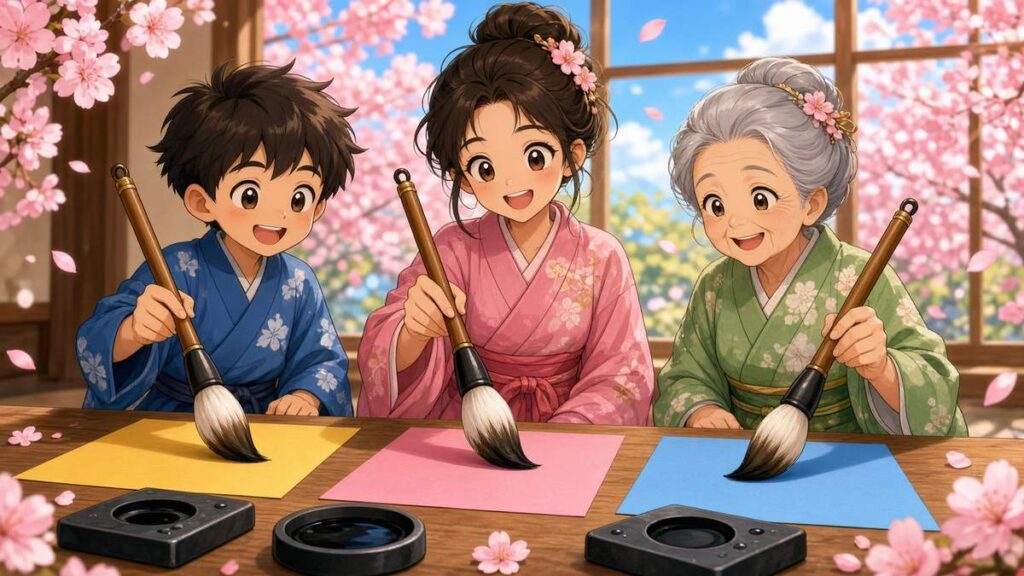
One Brushstroke from the List: Japan’s Shodō Cleared for UNESCO
Japanese calligraphy is one brushstroke closer to a global badge. On November 5 Japan’s Cultural Affairs Agency said a UNESCO evaluation body had recommended inscribing shodō on the Representative List of the Intangible Cultural Heritage of Humanity, finding that it met all five criteria. A formal decision is expected in early December at the intergovernmental committee meeting in Xiamen, China, scheduled for November 30 to December 5. If approved, shodō would become Japan’s 24th entry on the list, joining traditions such as the craft knowledge behind sake and shochu.
Why the evaluators said yes
The advisory body stressed that calligraphy remains widely practised and is passed on through schools, clubs and other educational settings, carrying cultural knowledge across generations. Inscription, it argued, would raise awareness of handwritten calligraphy as a living art and encourage cultural dialogue. That framing matters: UNESCO lists are not museums in reverse. They are meant to spotlight practices that communities still do, not only artefacts they preserve.
Japan has shaped its own calligraphy styles since Chinese characters arrived centuries ago, working with both kanji and kana. Chinese calligraphy is already on the list. Japan’s Cultural Affairs Council selected shodō for nomination in 2023; dossier work submitted in 2025 has now produced the recommendation. Prime Minister Sanae Takaichi posted that she was “very pleased” the art had been judged worthy of recognition.
What a listing would — and would not — change
A UNESCO tag does not freeze a tradition in amber, nor does it guarantee funding. It does give teachers, local festivals and cultural diplomats a clearer story to tell about why a child still dips a brush in sumi ink on a Saturday morning. In an age of keyboards and predictive text, that story is partly about slowing down. Whether Xiamen seals the deal in December or not, the recommendation already confirms what millions of practitioners know: the page, the brush and the breath still count as culture worth defending.