A Rest Stop, Not a Stage: Shutoko Warns Car Fans Away From Daikoku PA
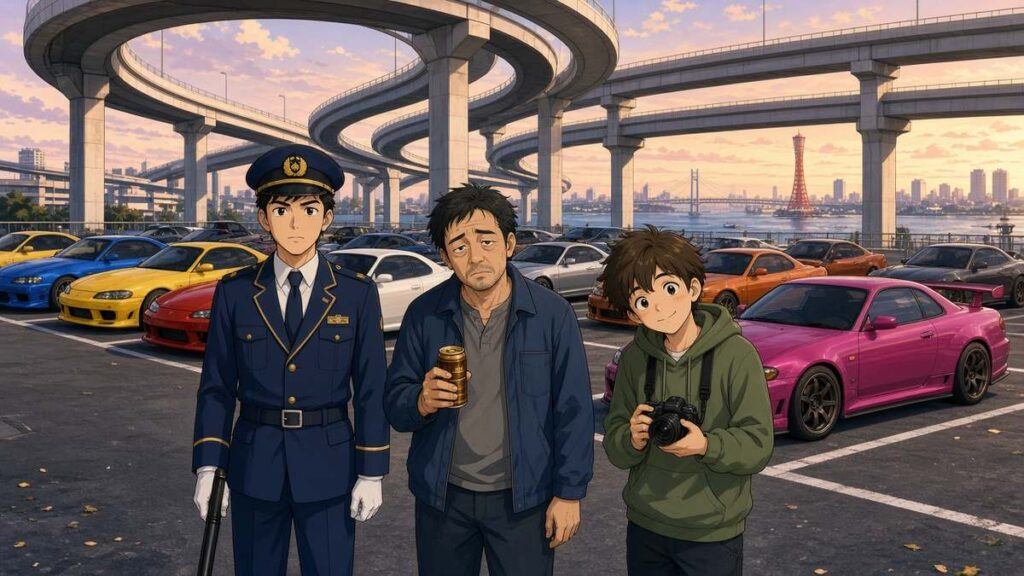
For two decades, a parking area inside a giant concrete spiral on Tokyo Bay has been one of the most photographed places in Japanese car culture. On a good night at Daikoku PA, rows of tuned Skylines, Supras and supercars line up under the ramps while visitors from around the world film them. This week the company that runs the road made clear that it is tired of the show.
The warning
In a bilingual post on 25 November, the Shuto Expressway’s official traffic account asked people to stop holding car meets at expressway parking areas. Daikoku and the other PAs, it said, exist for “temporary rest” to ease the fatigue and tension of driving. Long stays for gatherings or photography get in the way of drivers who actually need a break, and the operator “firmly” refuses them. If safety cannot be ensured, Shutoko will close the parking area after consulting the police.
Closures are nothing new at Daikoku. On busy weekend nights the entrance is often shut without notice, and police sometimes clear the lot. What is new is the tone: a direct appeal in English as well as Japanese, aimed squarely at a crowd that now includes many tourists.
Why Daikoku is so special
Part of the fascination is the location. Daikoku Futo is a 322-hectare artificial island, reclaimed between 1971 and 1990, and it is one of eastern Japan’s biggest ports for shipping cars. The PA opened in September 1989 together with the Yokohama Bay Bridge and is the largest on the Shuto network, with 335 car spaces, 58 bays for large vehicles and five accessible spaces. It sits inside a looping junction with views of the bridge and the Yokohama skyline, which makes every car look good in a photo.
Another part is access. There is no footpath, no train station, no bus stop and no taxi rank. The only way in is by vehicle from the expressway itself. That is why a whole industry of guided “Daikoku tours” has grown up, often with visitors packed into rented sports cars or minibuses, adding to the crowd.
Who loses
The people the operator has in mind are less glamorous: lorry drivers on overnight runs, families on long trips, commuters who feel sleepy. Japan has been tightening rules on working hours for truck drivers, and safe places to rest on urban expressways are limited. When a PA fills with spectators, those drivers either circle on or skip their break, which is exactly what rest areas are meant to prevent.
What visitors should expect
For travellers, the practical advice is simple. Daikoku is not an event venue, and no one can promise it will be open on a given night. Paying for a tour does not change the rules: if the lot is closed or police ask cars to move on, the visit ends. Car fans who want to meet can look for organised events at private venues, of which the Tokyo area has many. The enthusiasts who made Daikoku famous are now its biggest risk; respecting the rest stop may be the best way to keep it open.